
Introduction
In a world dominated by flashy advertisements and cutting-edge technology, one motorcycle brand has defied convention to create a cult-like following—Royal Enfield. By understanding its market deeply and evolving with time, Royal Enfield didn’t just survive the arrival of foreign competitors; it thrived and became a symbol of rugged authenticity. This case study explores how Royal Enfield leveraged its historical roots, strategic marketing, and deep connection with Indian culture to outperform global motorcycle brands in the Indian market.
A Legacy Forged in Tradition
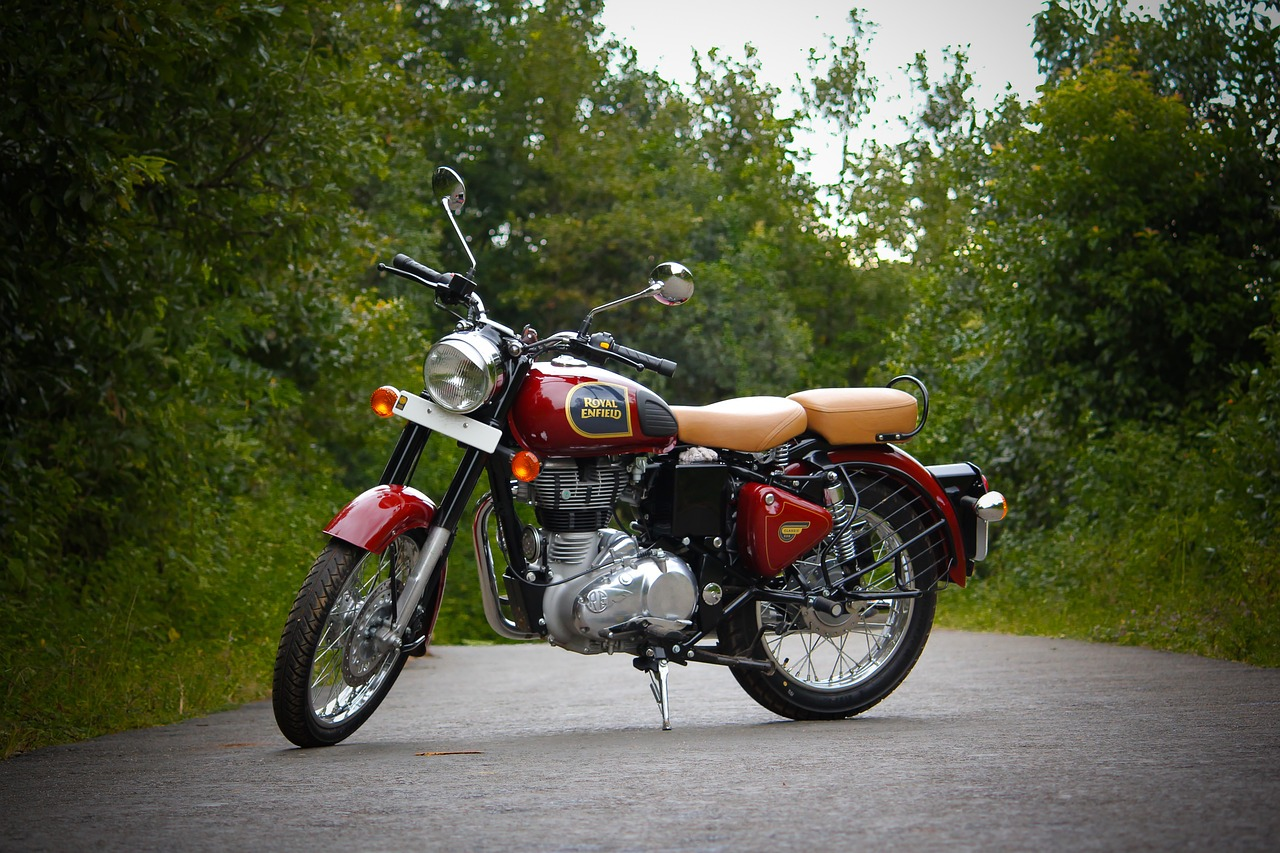
Royal Enfield’s story in India began in the 1950s when the Indian government sought sturdy motorcycles for its army and police. The Bullet, Royal Enfield’s flagship model, became the go-to choice for its durability and power. Over decades, this robust association established the brand as a household name synonymous with strength and reliability.
Unlike foreign competitors who entered the market much later, Royal Enfield had already built a legacy. Its deep-rooted connection to Indian consumers made it more than just a motorcycle—it became a symbol of pride and tradition.
Understanding the Indian Rider
A significant factor in Royal Enfield’s success is its keen understanding of Indian riders’ needs. Indian roads, often unpredictable and challenging, require vehicles that are durable and easy to maintain. Royal Enfield motorcycles were built to endure diverse terrains, from city streets to mountain trails.
Foreign competitors initially failed to grasp these nuances. Their bikes, while technologically advanced, often didn’t suit the rugged and varied Indian terrain. Royal Enfield’s ability to design for these conditions gave it an edge that resonated with customers.
Classic Appeal Meets Modern Innovation
One of Royal Enfield’s masterstrokes was blending its vintage aesthetics with modern engineering. The timeless design of its motorcycles appealed to nostalgia while updates like better fuel efficiency and engine reliability made them relevant to today’s consumers.
The competition, in contrast, relied heavily on modernity and aggressive styling, which often alienated the segment of Indian riders who valued heritage and simplicity. By staying true to its roots, Royal Enfield captured both the hearts and wallets of Indian riders.
Building a Loyal Community
Royal Enfield didn’t just sell motorcycles; it built a lifestyle around them. Through initiatives like organized road trips (think Himalayan Odyssey or Ride to Ladakh) and exclusive rider clubs, the brand fostered a sense of community.
This grassroots-level engagement created an emotional connection that no advertisement could replicate. Customers became brand ambassadors, spreading the word through personal experiences and fueling organic growth.
Competitors, on the other hand, struggled to replicate this sense of belonging. Their marketing often felt transactional, while Royal Enfield’s focus on experiences built lasting loyalty.
Strategic Pricing and Manufacturing
Royal Enfield’s localized manufacturing operations played a pivotal role in maintaining competitive pricing. By producing motorcycles in India, the brand avoided high import duties that burdened foreign manufacturers. This allowed it to offer premium products at accessible price points.
Foreign brands, often priced significantly higher, struggled to compete in a price-sensitive market. Despite their advanced features, they couldn’t justify the premium to an audience accustomed to value-driven purchases.
Cultural Relevance in Marketing
Royal Enfield’s marketing strategies were a masterclass in cultural resonance. The brand celebrated Indian landscapes, traditions, and even its customers in its campaigns. From showcasing riders navigating rugged Himalayan trails to emphasizing India’s love for open roads, every ad was a tribute to the Indian spirit.
Foreign brands often relied on generic global campaigns that failed to connect with Indian consumers. Royal Enfield’s cultural alignment ensured its messaging felt authentic and relatable.
Adapting to Evolving Demands
While tradition remained a cornerstone, Royal Enfield was not rigid. It evolved its product line to meet modern demands. For instance, it introduced fuel-efficient engines, better suspension systems, and even electric start options, ensuring its bikes were not just desirable but practical.
This adaptability allowed the brand to remain relevant even as younger, tech-savvy generations entered the market. Meanwhile, foreign competitors often focused on niche segments, leaving gaps in their appeal to broader demographics.
Customer-Centric After-Sales Service
Royal Enfield’s extensive service network is another differentiator. The brand ensured that even in smaller towns, customers could access reliable after-sales support. This commitment built trust and reduced hesitation among potential buyers.
Foreign brands, with their limited service reach, often left customers in the lurch. The resulting dissatisfaction only reinforced Royal Enfield’s reputation for reliability and accessibility.
Lessons for Competitors: The Challenges Faced by Foreign Brands
Foreign motorcycle brands entering India faced a trifecta of challenges:\n\n1. Pricing Mismatch: High import costs made their bikes unaffordable for many.\n2. Cultural Disconnect: Generic global campaigns failed to resonate with Indian values and lifestyles.\n3. Service Limitations: A lack of widespread service networks made ownership inconvenient.\n\nRoyal Enfield capitalized on these gaps with its local understanding and customer-first approach.
The Road Ahead: Royal Enfield’s Continued Dominance
Despite its success, Royal Enfield isn’t resting on its laurels. The brand is now looking beyond India, targeting global markets with the same philosophy that made it a success at home. With models like the Interceptor 650 and Continental GT 650, Royal Enfield is winning hearts in markets like the UK and the US.
By staying true to its ethos of authenticity, community, and quality, Royal Enfield is proving that timeless brands can thrive in a modern, competitive world.
Conclusion
Royal Enfield’s journey is a testament to the power of understanding your audience and staying authentic. By blending tradition with innovation, focusing on community building, and delivering value, the brand has created a blueprint for sustainable success.
For competitors, the lesson is clear: Winning in India—or any market—requires more than just great products. It demands cultural insight, strategic adaptability, and a relentless focus on the customer.